
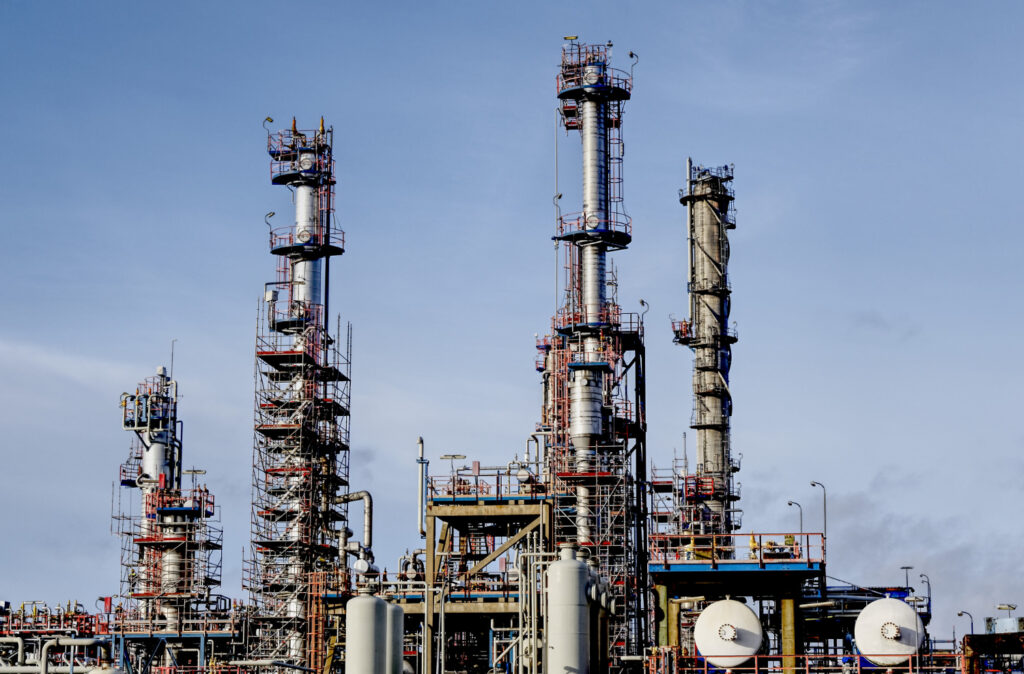
ISO Certification Case Study for an Oil and Gas CompanyOil & Gas
At IEMA, our team of Risk and Safety Management experts specializes in assisting oil and gas companies in obtaining ISO certification for their major capital projects. With years of experience and deep industry knowledge, we provide cost-effective solutions that ensure compliance with international standards, regulatory requirements, and social responsibilities. Our comprehensive approach focuses on developing and sustaining our clients’ “license to operate,” helping them navigate complex challenges and achieve their operational goals.
One of our primary objectives is to enhance safety, reliability, and efficiency within the oil, gas, and chemical value chain. We understand the critical importance of maintaining a safe working environment and mitigating risks throughout every stage of project development and operation. Our experts collaborate closely with clients to identify and address potential hazards, implement robust safety measures, and promote a culture of proactive risk management. By leveraging our technical expertise and industry best practices, we help our clients optimize their operations, minimize downtime, and ensure the well-being of their workforce.
Our commitment to value-added asset performance management sets us apart. We recognize that achieving operational excellence requires more than just meeting compliance standards. It involves optimizing asset utilization, reducing operational costs, and maximizing the overall performance of facilities. With this in mind, we offer tailored solutions that leverage advanced technologies, data analytics, and predictive maintenance strategies. By continuously monitoring asset performance, identifying improvement opportunities, and implementing targeted enhancements, we empower our clients to maintain safer, more efficient, and more profitable operations.
Partnering with IEMA means gaining a trusted advisor dedicated to delivering tangible results. We are passionate about driving excellence in the oil and gas industry, and our track record of successful ISO certification projects speaks for itself. Join our roster of satisfied clients and embark on a journey towards operational excellence, regulatory compliance, and long-term success.
When pursuing ISO certification, oil and gas companies often encounter specific challenges related to their industry. Here are three common issues they may face:
- Regulatory Compliance:
The oil and gas industry operates in a highly regulated environment with strict compliance requirements. Achieving ISO certification requires aligning processes and practices with international standards, local regulations, and industry-specific guidelines. This challenge involves ensuring that the company’s operations adhere to environmental, health, safety, and quality management standards, which can be complex due to the diverse nature of operations within the industry.
- Complex Supply Chain:
Oil and gas companies typically have intricate and globally dispersed supply chains involving multiple suppliers, contractors, and subcontractors. Ensuring consistent adherence to ISO standards across the supply chain can be challenging. It requires close collaboration, effective communication, and the establishment of robust supplier management processes to ensure that all parties involved meet the required ISO certification criteria.
- Operational Risk Management:
The oil and gas industry is inherently exposed to various operational risks, including those associated with exploration, drilling, production, transportation, and storage of hydrocarbons. ISO certification necessitates the implementation of robust risk management systems to identify, assess, and mitigate these risks effectively. This includes addressing health and safety risks, environmental impacts, emergency response preparedness, and business continuity planning. Coordinating risk management efforts across multiple sites and operations within the company can be a significant challenge.
To address the challenges faced by oil and gas companies in achieving ISO certification, partnering with IEMA (Institute for Enterprise Management and Analytics) can provide valuable support and expertise. The solutions adopted with IEMA’s assistance were as follows:
- Regulatory Compliance:
IEMA’s Management experts can help companies navigate the complex regulatory landscape by providing guidance on aligning processes with ISO standards and local regulations. They can conduct comprehensive assessments, develop tailored compliance management systems, and assist in documentation and training initiatives to ensure regulatory compliance. With IEMA’s support, companies can streamline their compliance efforts and achieve ISO certification efficiently.
- Complex Supply Chain:
IEMA offers expertise in supply chain management, enabling oil and gas companies to effectively address ISO compliance across their intricate supply chains. IEMA’s professionals can collaborate with companies to establish supplier qualification processes, conduct audits, and provide guidance on contractual obligations related to ISO standards. By leveraging IEMA’s knowledge and experience, companies can strengthen their supplier management practices and ensure consistent ISO compliance throughout their supply chain.
- Operational Risk Management:
IEMA’s management solutions can help oil and gas companies establish robust systems to identify, assess, and mitigate operational risks. Their experts can assist in developing comprehensive risk management frameworks, implementing hazard identification techniques, and creating emergency response plans aligned with ISO requirements. By leveraging IEMA’s expertise, companies can enhance their risk management practices, improve safety performance, and meet ISO standards effectively.
Overall, ISO certification for an oil and gas company brings tangible benefits in terms of operational efficiency, regulatory compliance, customer confidence, risk management, and competitive advantage. By successfully implementing the required changes and obtaining ISO certification, the company positions itself as a trusted industry leader, showcasing its commitment to excellence and continuous improvement. This achievement brought forth several favorable outcomes for the company:
- Strengthened Regulatory Compliance:
ISO certification ensures that the company meets internationally recognized standards and complies with relevant regulations in the oil and gas industry. This demonstrates the company’s commitment to maintaining a high level of quality, safety, and environmental responsibility. Compliance with ISO standards helps the company build trust among stakeholders, including regulatory bodies, clients, and investors.
- Enhanced Operational Efficiency:
ISO certification promotes the adoption of streamlined processes and standardized practices throughout the organization. This leads to improved operational efficiency, reduced wastage, and optimized resource utilization. By implementing ISO standards, the company can identify areas for improvement, eliminate redundancies, and enhance overall productivity.
- Improved Risk Management:
ISO standards emphasize risk-based thinking and require the implementation of robust risk management systems. By addressing potential hazards and implementing preventive measures, the company can enhance its ability to identify and mitigate risks. This leads to improved safety performance, reduced incidents, and better emergency preparedness.
In conclusion, ISO certification holds significant value for oil and gas companies as it provides a framework for achieving operational excellence, regulatory compliance, and customer satisfaction. By successfully implementing the required changes and obtaining ISO certification, companies in the oil and gas industry can unlock a multitude of benefits.
ISO certification enables companies to streamline their processes, enhance operational efficiency, and optimize resource utilization. It demonstrates a commitment to meeting internationally recognized standards and ensures compliance with relevant regulations. This commitment to quality and safety fosters trust among stakeholders, including regulatory bodies, clients, and investors, leading to increased confidence in the company’s capabilities.
Furthermore, ISO certification differentiates the company from competitors and provides a competitive advantage in the market. It signals to potential clients and partners that the company adheres to best practices, prioritizes continuous improvement, and places a strong emphasis on customer satisfaction. This enhanced reputation and credibility can open doors to new business opportunities and strengthen existing customer relationships.
Additionally, ISO certification promotes effective risk management, improving safety performance, and emergency preparedness within the oil and gas industry. By addressing potential hazards, companies can mitigate risks, reduce incidents, and create a safer working environment for employees.
In summary, ISO certification for oil and gas companies is a testament to their commitment to excellence, quality, and continuous improvement. It fosters operational efficiency, regulatory compliance, customer confidence, risk management, and ultimately positions the company as a trusted industry leader. By obtaining ISO certification, oil and gas companies can reap the numerous benefits and ensure their long-term success in a competitive market.
We are highly appreciating the great job you have done for our company to issue our ISO 9001 certification; it was very efficient experience for us Very impressed with Racheal and Adeolu ( both auditors), we absolutely got first class professional service from you guys @IEMA, a breath of fresh air working with a company that wants to offer quality service from start to finish.
